All great projects spark from an idea. But concepts languish abstract until phrased, experimented, and charted. That is the space conceptual design fills. It converts vague ideas into well-structured procedures teams can implement. Without this process, even the best ideas can unravel later.
Why Early Planning Matters
It seems much faster to leap straight in to action. But it often ends up in confusion and re-doing things. Conceptual design prevents that chaos. It allows teams to slow-down, think straight and clarify on what they are actually building.
At this point, the plan is loose and nothing is written in stone. Also, their vision is broad enough to allow for exploration, course-corrections and refinement. That flexible approach though, makes the work better and the deliverable more dependable.
What Conceptual Design Includes
An effective conceptual design process emphasizes the holistic over the minute. It assists teams in answering the following questions:
- What problem are we solving?
- Who is the user or audience?
- What should be the end result?
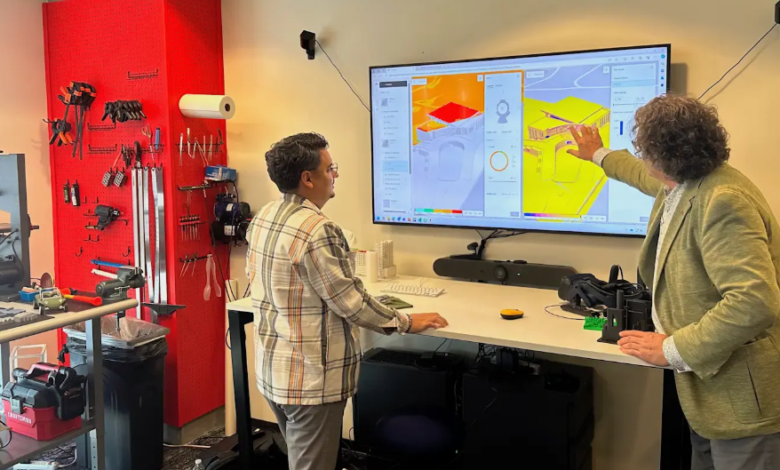
It could be in this phase where sketches, flow diagrams, mind maps, or rough models are constructed. You don’t even have to do it perfectly. They are used for clarity and not design.
Key Benefits for Teams
- Clear Direction
With a plan everyone understands, people can move intentionally. A shared vision is what the team gets from a conceptual design. Misunderstandings drop. Alignment improves. Decisions get easier.
- Faster Execution
The better the planning, the smoother everything further down the line. Knowing what to expect gives designers, engineers, and other stakeholders, the same page. Rather than making wild guesses, they trace a series of reasoning steps.
- Lower Risk
Verify assumptions that do not make sense and projects fail. Conceptual design exposes gap early. It helps teams experiment ideas without spending time and money. That reduces surprises later.
How It Boosts Creativity
Others suggest that planning destroys creativity. In reality, the opposite happens. The more open and freer flowing the early stage is, the more comfortable teams feel about exploring different paths forward. A stress-free environment for the imagination to run wild.
Teams arrive at stronger concepts by sketching possibilities, reviewing ideas and throwing away everything that does not fit. It encourages them to push past the obvious solution, rather than accepting the first idea.
See also: The Biggest Lead Generation Challenges CMOs Must Overcome
Where It Really Matters
- Product Development
Building something new requires clarity. It clarifies features, user flows, and functionality prior to development.
- Architecture
Teams work from conceptual drawings to inform how a space will function, what structures the layout will have, and what each area will be used for before they ever touch a blueprint.
- Marketing Campaigns
Campaigns need a clear message. Much of the tone, visual aesthetics, and customer journey is established during the early conceptual work.
Some More Practical Tips on Conceptual Design
- Avoid working with assumptions as to what the problem is.
- Keep the sketches simple.
- Get diverse voices involved early.
- Review and refine often.
Scoring a few points higher in this aspect can change the complete game.
Final Thoughts
Good ideas deserve something solid to stand on. The latter is the domain of conceptual design, that helps in turning nebulous thoughts into tangible plans. It frees projects from ambiguity, sparks innovation, and sets teams up to win. It could be across any domain, but that is the first step towards real outcomes.